
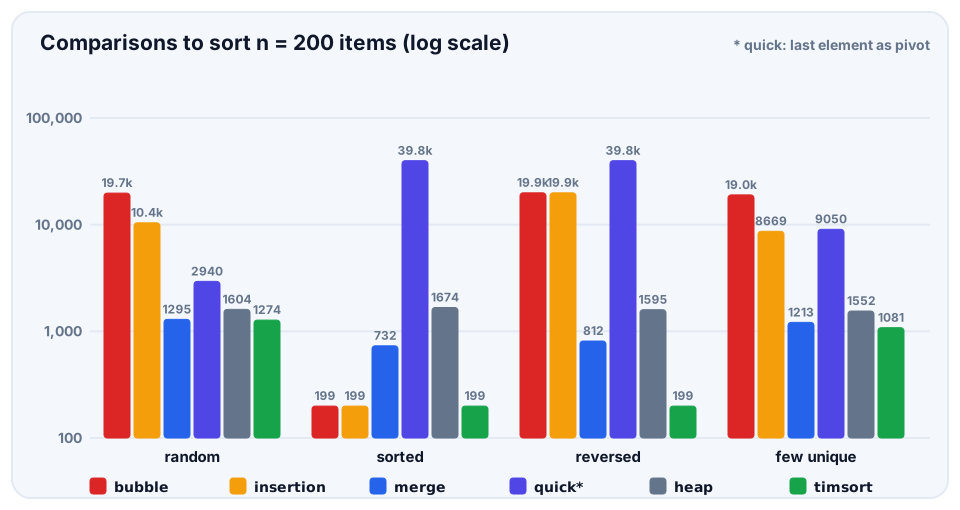
We compare all the sorts we have written on four kinds of input and derive selection rules. We measure the number of comparisons, not seconds: it does not depend on the computer and is identical on every run. The sorts themselves come from earlier lessons: bubble, insertion, merge, quick, heap, Timsort.
Why count, not time
Seconds from timeit depend on the machine, the Python version and the load, and change from run to run. The number of comparisons is a property of the algorithm. We wrap every item in a class Key whose __lt__ counts calls: every sort that uses < is measured with the same counter. Real time is still worth checking separately with timeit.
import random, heapq

class Key:
    count = 0
    def __init__(self, v): self.v = v
    def __lt__(self, other):
        Key.count += 1
        return self.v < other.v