
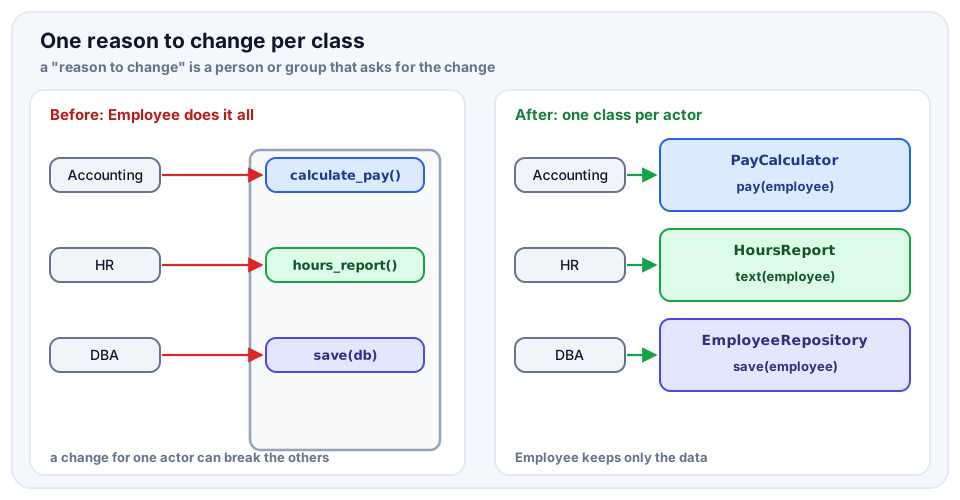
S is the Single Responsibility Principle (Robert Martin): a class should have only one reason to change. A "reason" is not a piece of code but a person or group who asks for a change (an actor): accounting, HR, the DBA and so on. SRP does not mean "one method per class": a class should serve one actor.
The violation: a "god class"
Employee does three jobs: it computes pay (accounting), builds a report (HR) and saves to a database (DBA). When accounting changes the overtime factor we edit the same class and save and the report are at risk.
class Employee:
    def __init__(self, name, rate, hours):
        self.name, self.rate, self.hours = name, rate, hours

    def calculate_pay(self):               # changed by Accounting
        overtime = max(0, self.hours - 160)
        return (self.hours - overtime) * self.rate + overtime * self.rate * 1.5

    def hours_report(self):                # changed by HR
        return f"{self.name}: {self.hours} h"

    def save(self, db):                    # changed by the DBA
        db[self.name] = self.hours