
The Observer pattern defines a one-to-many dependency: when the subject changes, all its observers are notified automatically. The subject only knows the small observer interface, so reactions (a display, an alert, a log) can be added or removed at runtime without changing it.
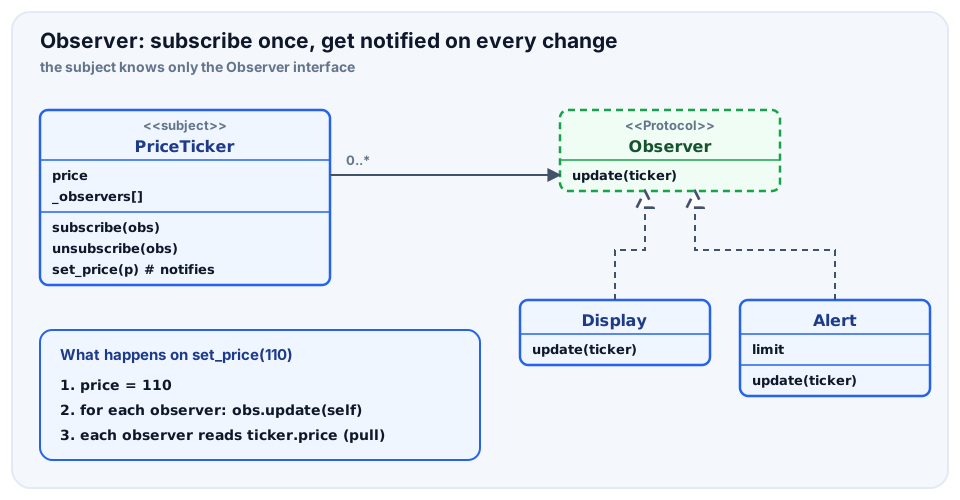
Subject and observers
The subject has three jobs: subscribe, unsubscribe and notify. Here PriceTicker notifies after every set_price. Display prints each price, Alert only those above its limit.
class PriceTicker:
    def __init__(self):
        self._observers = []
        self.price = 100

    def subscribe(self, obs):
        self._observers.append(obs)

    def unsubscribe(self, obs):
        self._observers.remove(obs)

    def set_price(self, price):
        self.price = price
        for obs in list(self._observers):    # a copy: observers may unsubscribe
            obs.update(self)                 # pull style: pass the subject

class Display:
    def update(self, ticker):
        print("display:", ticker.price)

class Alert:
    def __init__(self, limit):
        self.limit = limit

    def update(self, ticker):
        if ticker.price > self.limit:
            print("ALERT: above", self.limit)

ticker = PriceTicker()
ticker.subscribe(Display())
ticker.subscribe(Alert(105))
ticker.set_price(101)
ticker.set_price(110)display: 101
display: 110
ALERT: above 105